We review and select products independently. Purchases through our links may earn us a small commission. Learn more.

Reading Time: 3 minutes
Yes, you can absolutely cook pasta in a Dutch oven, and it is an excellent method due to the vessel’s superior heat retention and even heat distribution. Dutch ovens are versatile kitchen tools perfect for both traditional pasta boiling and preparing flavorful one-pot pasta dishes where the pasta cooks directly in the sauce.
Why a Dutch Oven is Ideal for Cooking Pasta
The heavy construction of a Dutch oven, typically made from enameled cast iron, offers several advantages for pasta preparation:
- Even Heat Distribution: Cast iron heats up slowly and retains heat exceptionally well, ensuring the water or sauce maintains a consistent temperature, which promotes uniform pasta cooking.
- Heat Retention: Once hot, a Dutch oven stays hot. This reduces the time it takes for water to return to a boil after adding pasta and helps maintain a steady simmer for one-pot recipes.
- Large Capacity: Most Dutch ovens offer ample volume, allowing plenty of space for water and pasta to move freely, preventing sticking and ensuring even cooking.
- Versatility: They seamlessly transition from boiling large quantities of pasta to simmering sauces and even baking pasta dishes directly in the oven.
- Tight-Fitting Lid: The heavy lid creates a good seal, minimizing evaporation and helping to lock in moisture and flavor, especially crucial for one-pot preparations.
Traditional Pasta Boiling Method in a Dutch Oven
Using a Dutch oven for boiling pasta is straightforward and highly effective, akin to using any large stockpot, but with enhanced temperature stability.
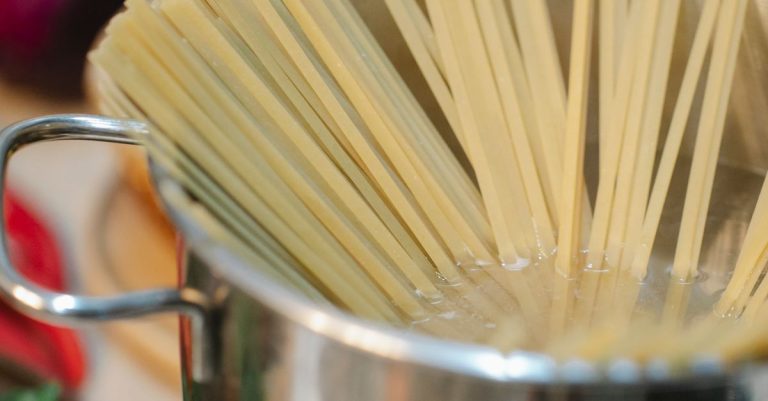
- Add Water and Salt: Fill your Dutch oven with water, leaving enough room for the pasta to expand without overflowing. Add a generous amount of salt to flavor the pasta as it cooks.
- Bring to a Rolling Boil: Place the Dutch oven over high heat and bring the water to a vigorous, rolling boil.
- Add Pasta: Stir in the pasta, ensuring it is fully submerged.
- Cook to Al Dente: Cook according to package directions until the pasta is al dente. The Dutch oven’s consistent temperature helps prevent hot spots and ensures even cooking.
- Drain: Carefully drain the pasta using a colander. Remember to reserve some pasta water if your recipe calls for it to help emulsify sauces.
One-Pot Pasta Method in a Dutch Oven (Absorption Method)
This method leverages the Dutch oven’s ability to simmer and retain heat, cooking the pasta directly in the sauce or broth, resulting in deeper flavor and fewer dirty dishes. This approach is distinct from how one might cook pasta in a crock pot, as the Dutch oven allows for initial sautéing and more precise heat control.
- Sauté Aromatics: Begin by sautéing onions, garlic, or other aromatics directly in the Dutch oven with a little olive oil.
- Build the Sauce: Add your desired sauce ingredients, such as crushed tomatoes, broth, or other liquids. Bring the mixture to a gentle simmer.
- Add Uncooked Pasta: Introduce the dry pasta to the simmering sauce. Ensure the pasta is mostly submerged in the liquid. If needed, add a bit more water or broth to cover.
- Simmer and Stir: Cover the Dutch oven and reduce the heat to low. Let the pasta simmer, stirring every few minutes to prevent sticking and ensure even cooking. Cooking pasta directly in sauce allows it to absorb all the delicious flavors.
- Finish Cooking: Continue cooking until the pasta is al dente and most of the liquid has been absorbed, typically around 15-20 minutes, depending on the pasta type. The starch released from the pasta will naturally thicken the sauce.
Tips for Success When Cooking Pasta in a Dutch Oven
- Choose the Right Size: A 5.5-quart or 6-quart Dutch oven is ideal for most standard pasta dishes serving 4-6 people. For larger batches, opt for an even bigger vessel.
- Mind the Water Level for One-Pot: For the one-pot method, follow recipes carefully regarding liquid ratios. You want just enough liquid for the pasta to absorb without becoming soupy or dry.
- Stir Frequently: Especially with the one-pot method, stirring helps prevent the pasta from sticking to the bottom of the pot and ensures uniform cooking.
- Taste and Adjust: Always taste the pasta as it cooks to achieve your preferred al dente texture. Adjust seasonings as needed throughout the process.
- Utilize Starch: For sauce-based pasta dishes, the starch released by the pasta during the absorption method naturally thickens the sauce, creating a richer, more cohesive dish.