We review and select products independently. Purchases through our links may earn us a small commission. Learn more.

Reading Time: 3 minutes
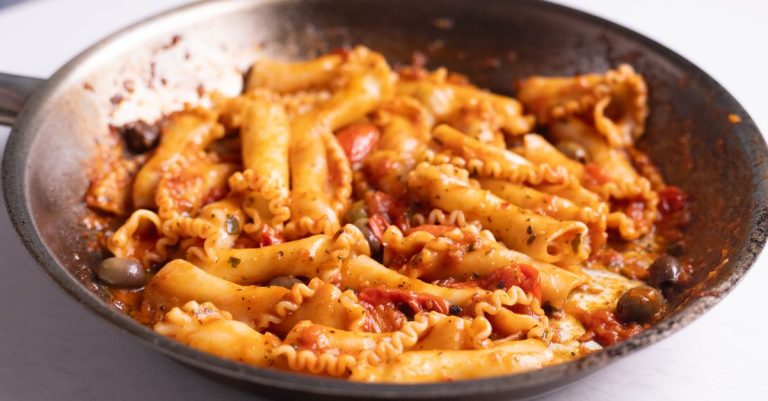
Yes, you can absolutely cook pasta in a pan, and it’s a highly effective method, especially for creating a cohesive sauce. Instead of the traditional large pot of boiling water, this technique uses minimal water, just enough to cover the pasta, allowing the starches released during cooking to concentrate and emulsify beautifully with your sauce, resulting in a richer, more flavorful dish that adheres perfectly to each strand.
The Method for Pan-Cooked Pasta
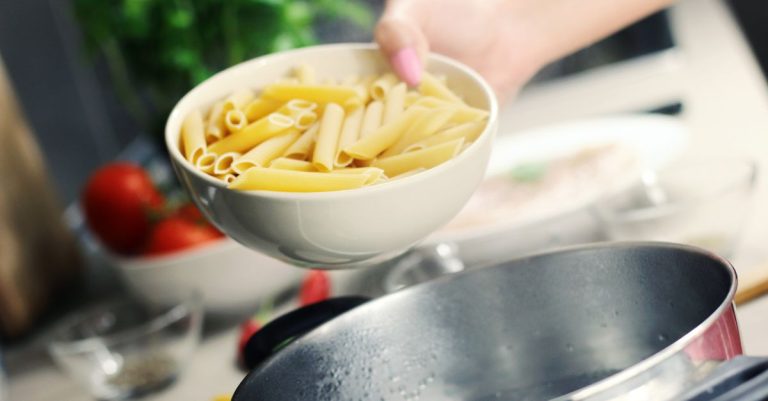
Cooking pasta in a pan involves a slightly different approach than the conventional method but is straightforward. Begin by selecting a wide, shallow pan or skillet, which allows for better heat distribution and easier stirring. Add your desired amount of dried pasta directly into the pan.
Next, pour in cold water, just enough to fully submerge the pasta. Adding a pinch of salt is crucial for seasoning the pasta from within. Bring the water to a rolling boil over medium-high heat. Once boiling, reduce the heat to a simmer and stir the pasta frequently to prevent it from sticking to the bottom of the pan or to itself.
Continue to cook, stirring regularly, until most of the water has been absorbed or evaporated and the pasta reaches an al dente texture. This usually takes about 8-12 minutes, depending on the pasta shape and thickness. If the water evaporates too quickly and the pasta is not yet cooked, add a small amount of additional hot water, a quarter cup at a time, until it reaches the desired doneness. This absorption method is also excellent when cooking pasta in sauce directly.
Advantages of Cooking Pasta in a Pan
Opting for a pan to cook your pasta offers several distinct benefits for the home cook:
- Enhanced Flavor and Texture: By using less water, the starch released from the pasta becomes more concentrated. This starchy liquid is then naturally incorporated into the finished dish, creating a luscious, emulsified sauce that coats the pasta beautifully.
- Energy Efficiency: Heating a smaller volume of water to boiling point requires less energy and less time, making the cooking process quicker and more efficient.
- Reduced Cleanup: Since you’re often cooking the pasta and potentially finishing it with sauce in the same vessel, you minimize the number of pots and dishes used, simplifying post-meal cleanup.
- Simplified Process: There’s no need to drain a large pot of water, which can be cumbersome and messy. The pasta simply absorbs the water as it cooks.
Which Pans and Pasta Shapes Work Best?
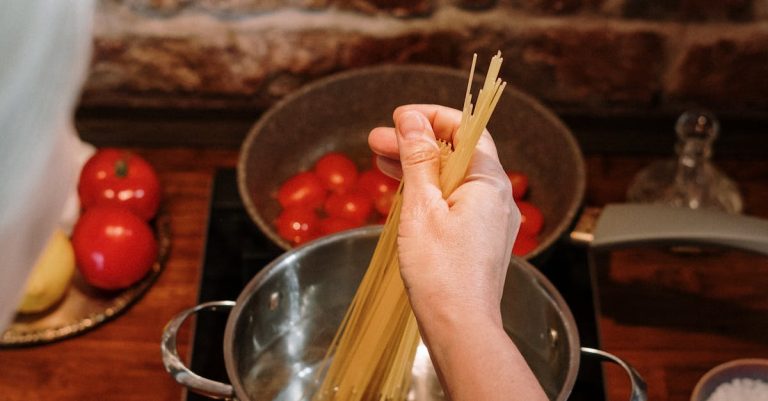
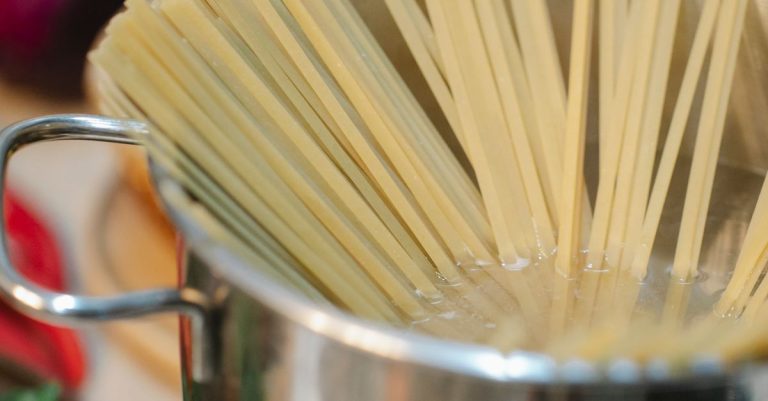
A Dutch oven, a wide skillet, or a sauté pan are ideal choices for this method. Their broad surface area allows the pasta to lie mostly flat and cook evenly, while the relatively shallow sides facilitate evaporation. While short pasta shapes like penne, rotini, farfalle, and macaroni are perfectly suited, longer strands such as spaghetti or fettuccine can also be cooked this way, though they might require an initial bend or more frequent stirring until they soften and submerge fully. Unlike cooking methods such as a rice cooker or a microwave, a pan gives you direct control over stirring and water evaporation.
Tips for Success and Avoiding Common Pitfalls
To ensure your pan-cooked pasta turns out perfectly every time, keep these practical tips in mind:
- Constant Monitoring: Unlike traditional boiling, pan cooking requires more active participation. Stir the pasta frequently, especially during the initial stages, to prevent sticking.
- Water Management: Start with just enough water to cover the pasta, then adjust as needed. If the pan dries out before the pasta is done, add a small amount of hot water. If there’s too much liquid at the end, increase the heat slightly to encourage evaporation.
- Taste Test: Always taste the pasta as it nears the end of its cooking time to ensure it reaches your preferred al dente texture. The timing on the package serves only as a general guideline.
- Seasoning: Don’t forget to salt the cooking water. This seasons the pasta itself, which is vital for overall flavor.