We review and select products independently. Purchases through our links may earn us a small commission. Learn more.

Reading Time: 2 minutes
Yes, you can cook pasta in a rice cooker. The heating element in a rice cooker boils water efficiently, making it an excellent alternative to a traditional stovetop. This appliance can cook pasta using either the traditional drain method (boiling pasta in excess water and draining it) or the absorption method (using just enough water or sauce to cook the pasta completely without draining).
How to Cook Pasta in a Rice Cooker Using the Absorption Method
The absorption method is the easiest way to prepare pasta in a rice cooker because it eliminates the need to drain hot water. Here is how to do it:
- Add the pasta: Place your dry pasta (short shapes like penne, rotini, or macaroni work best) into the inner pot of the rice cooker.
- Add liquid: Pour in water, broth, or a mix of water and pasta sauce until the liquid just covers the top of the pasta (typically about 1/8 to 1/4 inch above the pasta line). If you want a richer flavor, you can even cook pasta in sauce directly within the cooker.
- Season: Add a pinch of salt and a teaspoon of olive oil or butter to help prevent the pasta from sticking together or boiling over.
- Set the cooker: Close the lid and press the standard “Cook” or “White Rice” cycle.
- Monitor and stir: Open the lid once or twice during the cycle to stir the pasta, ensuring even cooking and preventing sticking to the bottom of the pot.
- Check for doneness: Test the pasta around the 10 to 12-minute mark. If it is al dente and the liquid is mostly absorbed, switch the rice cooker to the “Keep Warm” setting. If the pasta is still firm but the liquid is gone, add a quarter cup of hot water and let it cook for another minute or two.
Adjusting the Water-to-Pasta Ratio
Unlike cooking rice, there is no single universal ratio for rice cooker pasta due to varying pasta shapes and thicknesses. A general rule of thumb is to use a 1:2 ratio by volume (one cup of dry pasta to two cups of liquid), or simply add enough liquid so that the dry pasta is barely submerged. Using too much water will result in mushy, overcooked pasta, while too little liquid will leave the outer layers chalky and undercooked.
Managing Starch and Boil-Overs
One common issue when boiling pasta in a small appliance is starch buildup. Readers often wonder are rice cookers supposed to bubble excessively during this process. Yes, starch from the pasta creates foam that can bubble up through the steam vent. Adding a small amount of fat, like butter or olive oil, breaks the surface tension of the bubbles and prevents messy boil-overs.
Which Pasta Shapes Work Best?
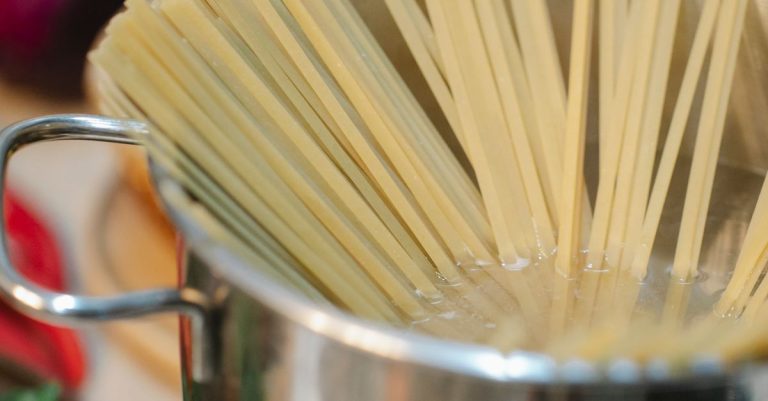
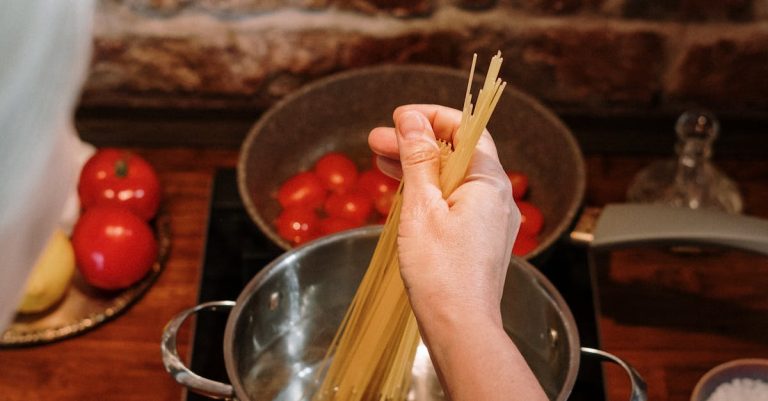
Short, sturdy pasta shapes perform much better in a rice cooker than long strands like spaghetti or fettuccine. Shapes like penne, fusilli, rigatoni, and elbow macaroni cook evenly because they circulate more freely in the small inner pot. If you must use long pasta, break the strands in half or thirds so they lie flat and submerge fully in the liquid.