We review and select products independently. Purchases through our links may earn us a small commission. Learn more.

Reading Time: 3 minutes
Yes, you absolutely can cook pasta in a Dutch oven, and it’s an excellent vessel for the task. Its heavy construction and superior heat retention properties ensure even cooking and efficient boiling, making it ideal for both traditional boiling methods and popular one-pot pasta dishes.
A Dutch oven’s cast iron or enameled cast iron material distributes heat uniformly across the bottom and up the sides. This prevents hot spots that can lead to unevenly cooked pasta and helps maintain a consistent rolling boil, which is crucial for perfect al dente results. Its substantial volume also accommodates plenty of water for proper pasta hydration without crowding.
Traditional Pasta Boiling in a Dutch Oven
Cooking pasta traditionally in a Dutch oven follows the same principles as using any large stockpot. The key is to use enough water and bring it to a vigorous rolling boil before adding the pasta.
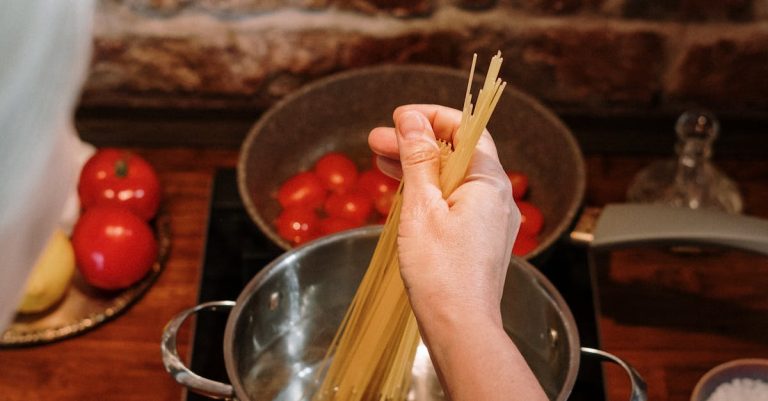
- Fill and Heat: Add plenty of water to your Dutch oven—at least 4-6 quarts for every pound of pasta. This ensures the pasta has enough room to move and prevents it from clumping. Bring the water to a rapid, rolling boil over medium-high heat.
- Salt the Water: Once boiling, add a generous amount of salt. The water should taste like the sea, as this is the primary way to season the pasta itself.
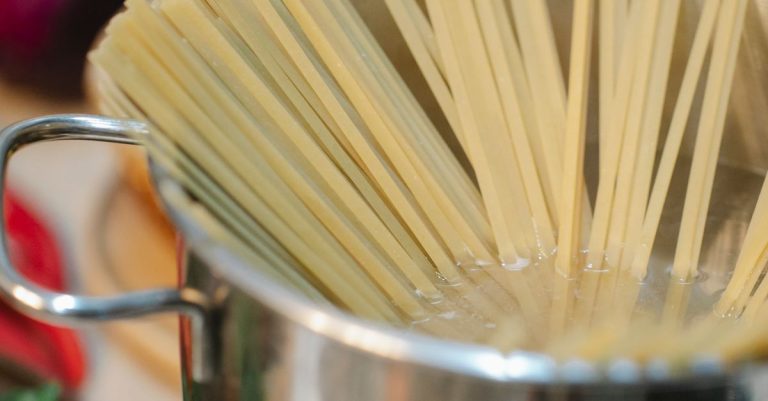
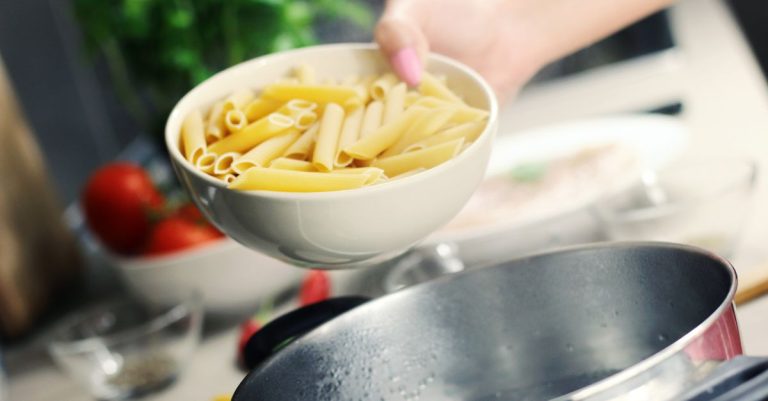
- Add Pasta: Stir in your chosen pasta, ensuring it’s fully submerged.
- Boil and Stir: Maintain a strong boil, stirring occasionally for the first minute or two to prevent sticking. Continue to cook according to package directions until the pasta is al dente.
- Drain: Carefully drain the cooked pasta using a colander.
The heavy lid of a Dutch oven can also help bring water to a boil faster and maintain temperature, but it should be removed once the pasta is added to prevent overflow from the starch foam.
One-Pot Pasta Method in a Dutch Oven
Beyond traditional boiling, a Dutch oven truly shines for one-pot pasta dishes, where the pasta cooks directly in the sauce or broth along with other ingredients. This method simplifies cleanup and infuses the pasta with richer flavor from the start. Its wide base and deep sides are perfect for sautéing aromatics, simmering sauces, and then cooking the pasta all in one vessel.
Steps for One-Pot Pasta
- Sauté Aromatics: Start by sautéing onions, garlic, or other vegetables directly in the Dutch oven with a little olive oil over medium heat.
- Add Liquids and Flavor: Pour in your liquid—water, broth (chicken broth is a great option), or canned tomatoes—along with seasonings and any sauce ingredients.
- Add Pasta and Simmer: Add the dry pasta (typically longer, thinner pasta like spaghetti, linguine, or fettuccine works well, but many shapes can work) directly to the liquid. Ensure most of the pasta is submerged.
- Cook and Stir: Bring the mixture to a simmer, then reduce heat to medium-low, cover partially (to allow some steam to escape but retain most liquid), and cook, stirring frequently to prevent sticking and ensure even cooking. Cook until the pasta is al dente and most of the liquid has been absorbed, typically 10-15 minutes, depending on the pasta type.
- Finish: Stir in any fresh herbs, cheese, or other finishing ingredients.
This method leverages the Dutch oven’s ability to distribute heat evenly and maintain a gentle simmer, resulting in perfectly cooked pasta infused with the flavors of your sauce.
Tips for Perfect Pasta in a Dutch Oven
- Use Ample Water: For traditional boiling, ensure generous water volume to prevent pasta from clumping and to dilute starch.
- Salt is Key: Always salt your boiling water well for flavor.
- Stir Initially: Stir pasta frequently for the first minute or two after adding it to prevent sticking.
- Watch the Boil: Maintain a strong, rolling boil for traditional methods. For one-pot, keep it at a gentle simmer.
- Lid Usage: Use the lid to bring water to a boil faster, but remove it once pasta is added for traditional boiling. For one-pot, a partial cover helps retain moisture while allowing steam to escape.
- Monitor Al Dente: Always taste the pasta a minute or two before the package suggests to achieve your desired al dente texture.