We review and select products independently. Purchases through our links may earn us a small commission. Learn more.

Reading Time: 2 minutes
Yes, you can cook pasta in an Instant Pot. To pressure cook pasta successfully, submerge the dry noodles completely in liquid, seal the lid, and set the machine to cook on manual high pressure for half of the boiling time listed on the pasta package minus one minute. As soon as the timer goes off, perform a quick pressure release to stop the cooking process immediately and prevent the pasta from turning mushy.
The Liquid-to-Pasta Ratio for Pressure Cooking
Achieving the perfect al dente texture in a pressure cooker relies on the precise ratio of liquid to dry pasta. Because the Instant Pot is a sealed environment, very little evaporation occurs. The standard formula is 4 cups of liquid for every 16 ounces (1 pound) of dry pasta. A simpler rule of thumb for any portion size is to add just enough liquid to gently cover the top of the noodles.
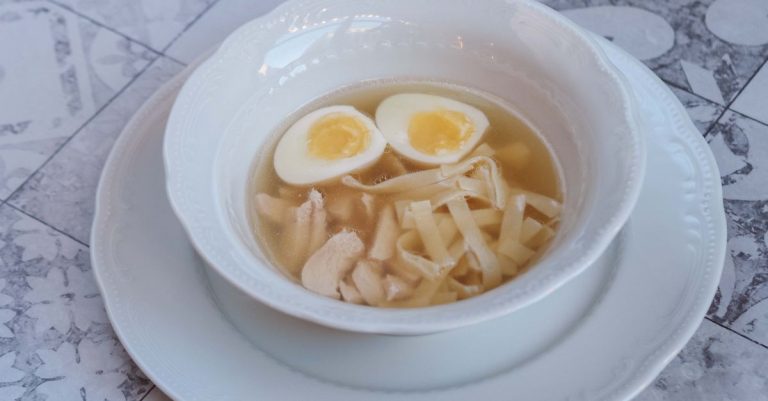
Using flavorful liquids is another excellent option. Much like cooking pasta in chicken broth on the stove, using broth in your electric pressure cooker infuses the noodles with deep flavor from the inside out. If you want to cook pasta in sauce inside the Instant Pot, layer the ingredients. Pour the water or broth over the pasta first, then layer the marinara or meat sauce on top without stirring to prevent the starch from sticking to the bottom and triggering the “Burn” warning.
How to Calculate Instant Pot Pasta Cook Time
To determine the exact cooking time for any pasta shape (such as penne, rotini, or rigatoni), look at the recommended boiling time on the commercial packaging. Use this simple pressure cooking formula:
- Take the even number of the recommended boiling range (e.g., if the box says 10 minutes, use 10).
- Divide that number in half (5 minutes).
- Subtract 1 minute (resulting in 4 minutes of cook time).
- If the box specifies an odd number like 9 minutes, round down to 8, divide by half to get 4, and subtract 1 to get 3 minutes.
Step-by-Step Instant Pot Pasta Instructions
This method works for almost all standard dried pasta shapes, including medium shells, elbow macaroni, and bowties.
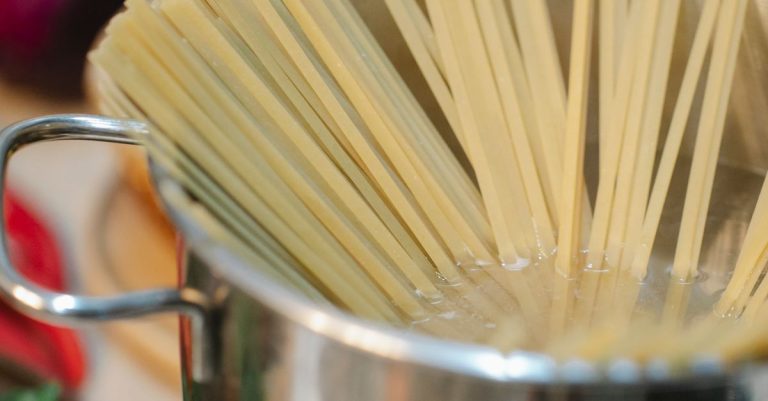
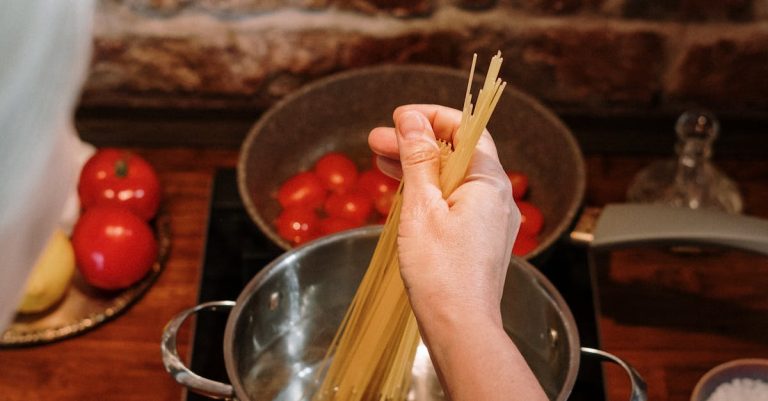
- Add the pasta: Place the dry pasta into the inner pot of the Instant Pot. Lay long noodles like spaghetti or fettuccine in a crisscross pattern to prevent them from clumping together.
- Add the liquid and seasonings: Pour in water, stock, or broth until the pasta is just submerged. Add a pinch of kosher salt and a teaspoon of olive oil to help reduce foaming during pressure release. Do not stir.
- Seal and cook: Secure the lid and set the steam release valve to the “Sealing” position. Select Manual or Pressure Cook on High Pressure and set the calculated cook time.
- Quick release: Once the cooking cycle ends, carefully turn the steam release valve to “Venting” to perform an immediate quick release. Avoid using natural release, as the residual heat will overcook the pasta.
- Stir and rest: Open the lid. The pasta may look slightly watery at first, but stirring it for a minute distributes the starch and thickens any remaining liquid into a silky coating.
How Pressure Cooking Compares to Other Methods
Cooking pasta in an electric pressure cooker is highly efficient because it eliminates the time spent waiting for a large pot of water to boil. While you can also cook pasta in a rice cooker, the Instant Pot excels at cooking larger batches of pasta and dense shapes evenly under pressure. The trapped steam rapidly gelatinizes the starches in the pasta, yielding a consistent texture without active stirring.