We review and select products independently. Purchases through our links may earn us a small commission. Learn more.

Reading Time: 3 minutes
Yes, you can absolutely cook pasta in a Dutch oven, and it is an excellent vessel for the task. Its superior heat retention and even heat distribution create an ideal environment for boiling water efficiently and maintaining a consistent temperature, which is crucial for perfectly cooked pasta, whether using a traditional method or a one-pot approach.
Why a Dutch Oven Excels at Pasta Cooking
A heavy, enameled cast iron Dutch oven offers several advantages when preparing pasta dishes. Its thick walls and base absorb and distribute heat remarkably well across the entire surface, preventing hot spots that can lead to uneven cooking or burning. This even heat helps bring water to a rapid boil and keeps it at a steady temperature once pasta is added, reducing the time it takes for the water to return to a boil.
Furthermore, the heavy, tight-fitting lid of a Dutch oven minimizes evaporation and traps steam, allowing liquids to simmer gently and concentrating flavors, which is particularly beneficial for making rich sauces or cooking pasta directly in sauce.
Cooking Pasta the Traditional Way in a Dutch Oven
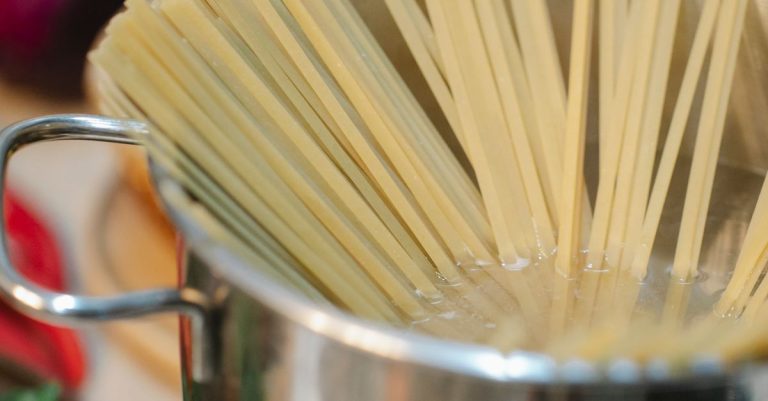
For standard boiling, a Dutch oven functions much like any large pot, but with added efficiency. The process is straightforward:
- Fill with Water: Add enough water to the Dutch oven to fully submerge the pasta once it’s added. The spaciousness of a Dutch oven allows pasta to move freely, preventing sticking.
- Salt the Water: Season generously with salt before boiling, as this is the primary opportunity to flavor the pasta itself.
- Boil Efficiently: Bring the water to a rolling boil over medium-high heat. The Dutch oven’s heat retention means it will reach this point quickly and stay there.
- Add Pasta: Introduce your pasta to the boiling water, stirring immediately to prevent clumping.
- Cook to Al Dente: Follow package directions for cooking time, stirring occasionally. Test a piece of pasta a minute or two before the recommended time to achieve the desired al dente texture.
- Drain and Serve: Once cooked, drain the pasta thoroughly using a colander.
Mastering One-Pot Pasta in a Dutch Oven
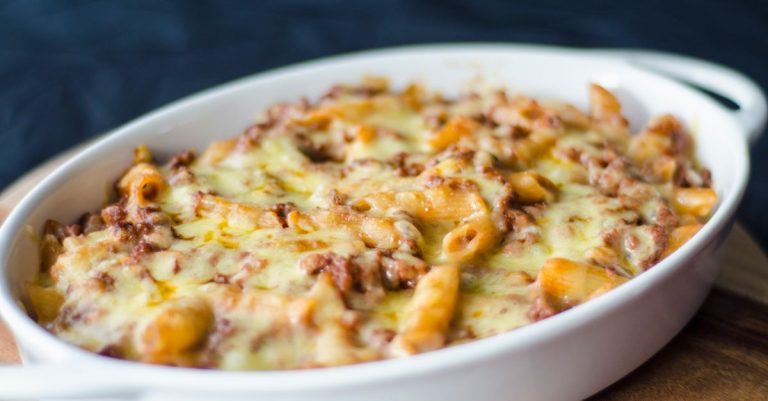
One-pot pasta dishes are where the Dutch oven truly shines, allowing you to cook everything from start to finish in a single vessel. This method involves cooking the dry pasta directly in the sauce or cooking liquid, infusing it with flavor and creating a creamy, starchy sauce.
Steps for One-Pot Pasta:
- Sauté Aromatics: Begin by sautéing onions, garlic, or other vegetables in a little olive oil at the bottom of the Dutch oven.
- Add Liquid and Pasta: Introduce your desired liquid, such as chicken broth, vegetable broth, or water, along with your dry pasta, tomatoes, and other sauce ingredients. Ensure the pasta is mostly submerged.
- Simmer and Stir: Bring the mixture to a simmer, then reduce heat to medium-low, cover partially, and cook, stirring frequently (every 1-2 minutes) to prevent sticking and ensure even cooking. The constant stirring helps release starches into the sauce, creating a thicker, richer consistency.
- Adjust Liquid: Monitor the liquid level. If it’s absorbing too quickly and the pasta isn’t done, add a splash more hot broth or water.
- Finish and Serve: Continue cooking until the pasta is al dente and the sauce has thickened to your liking. Remove from heat, stir in any fresh herbs or cheese, and serve immediately.
Considerations for Optimal Dutch Oven Pasta
- Stirring Frequency: For one-pot methods, frequent stirring is crucial to prevent pasta from sticking to the bottom or to each other as it releases starch.
- Liquid Quantity: When making one-pot pasta, the amount of liquid is key. Too little, and the pasta won’t cook; too much, and your sauce might be watery. Start with slightly less liquid than seems necessary and add more if needed.
- Pasta Type: Shorter, sturdier pasta shapes like penne, rotini, or orecchiette tend to work very well for one-pot dishes in a Dutch oven. Long pasta like spaghetti can also work but requires more careful stirring to prevent clumping.
- Temperature Control: The Dutch oven retains heat so well that you might need a slightly lower heat setting than you’d typically use for simmering in other pots.
Using a Dutch oven for pasta provides a versatile and efficient way to achieve delicious results, whether you’re boiling a simple batch or crafting an intricate one-pot meal.