We review and select products independently. Purchases through our links may earn us a small commission. Learn more.

Reading Time: 3 minutes
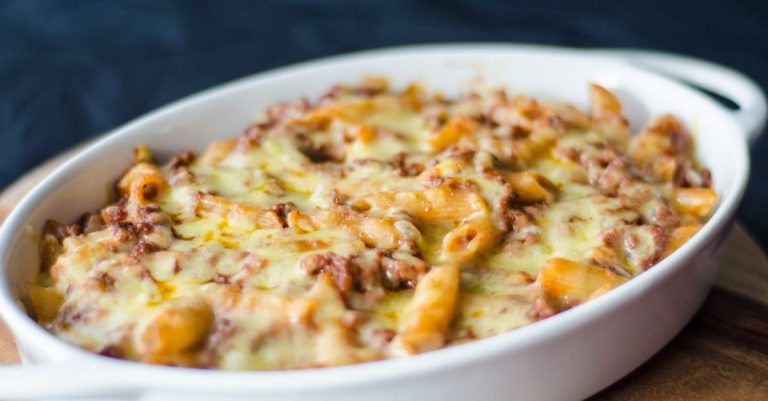
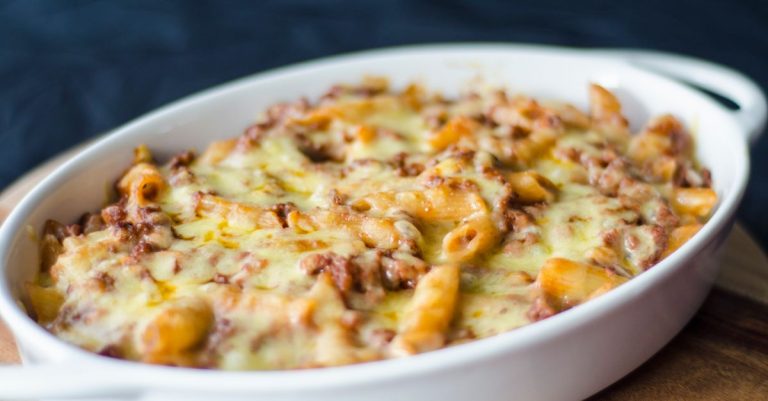
Yes, you can absolutely cook pasta in the oven, and it’s a popular method for creating comforting casseroles and baked dishes. There are two primary approaches: baking pasta that has been par-boiled or fully cooked on the stovetop, or, less commonly, baking dry pasta directly in a liquid-rich sauce. Both methods yield distinct textures and flavors, making the oven a versatile tool for pasta preparation.
Why Bake Pasta in the Oven?
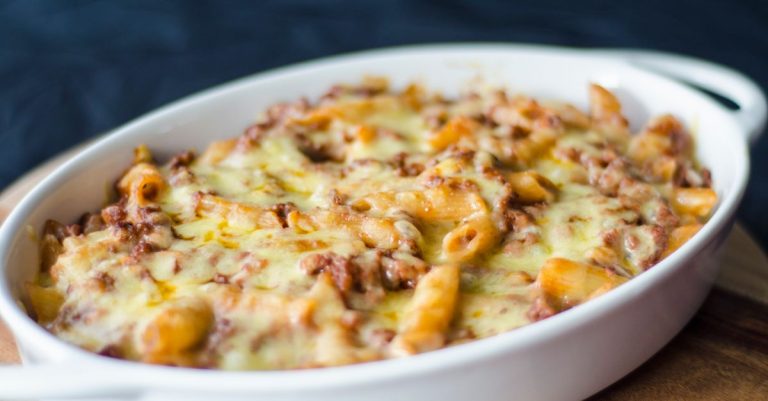
Baking pasta in the oven offers several advantages over stovetop cooking, especially for certain types of dishes. It allows flavors to meld deeply as the pasta simmers in sauce, often resulting in a richer, more cohesive dish. This method also provides hands-off cooking time once assembled, making it convenient for entertaining or busy weeknights. Furthermore, oven-baked pasta dishes frequently feature a golden, bubbly cheese crust, adding a desirable textural element that stovetop methods cannot achieve. Common examples include lasagna, baked ziti, and macaroni and cheese.
Methods for Cooking Pasta in the Oven
Method 1: Par-Boiling or Fully Cooking Pasta First
This is the most common and reliable method for oven-baked pasta dishes. The pasta is first cooked on the stovetop to an al dente texture—meaning it’s firm to the bite but not fully soft. It will finish cooking and absorb flavors in the oven. This approach prevents the pasta from becoming mushy and ensures even cooking.
- Boil Pasta: Cook your chosen pasta shape in salted boiling water for 2-3 minutes less than the package directions. It should still be quite firm.
- Drain and Rinse (Optional): Drain the pasta. Rinsing can remove excess starch, which some cooks prefer for casseroles, but it can also prevent sauce from clinging as well.
- Combine with Sauce and Ingredients: Mix the par-cooked pasta with your preferred sauce, cheeses, vegetables, and proteins in an oven-safe baking dish, such as a large casserole dish or a Dutch oven. Ensure the pasta is well coated and submerged in sauce.
- Bake: Cover the dish with foil and bake in a preheated oven, typically around 375°F (190°C), for 20-30 minutes.
- Uncover and Brown: Remove the foil, add any topping cheeses, and continue baking for another 10-15 minutes, or until the cheese is melted, bubbly, and golden brown.
Method 2: Baking Dry Pasta Directly in the Oven
While less conventional for standalone pasta, it is possible to cook dry pasta directly in the oven, primarily when making one-pot baked pasta dishes or some specific casseroles. This method requires careful attention to liquid ratios to ensure the pasta cooks thoroughly without drying out. The pasta absorbs the cooking liquid, which imparts rich flavor directly into the pasta strands.
- Choose Your Pasta and Dish: Select short, sturdy pasta shapes like penne, ziti, or rigatoni. Use a deep, oven-safe baking dish that can accommodate all ingredients.
- Combine Ingredients: Place the dry pasta in the baking dish with your chosen sauce, broth, or water. The liquid must fully cover the pasta by at least 1-2 inches. Insufficient liquid will result in uncooked or hard pasta.
- Seasoning and Fat: Add salt, seasonings, and a little fat (like olive oil or butter) to prevent sticking and add flavor.
- Cover Tightly: Cover the dish tightly with foil. This traps steam, which is essential for cooking the dry pasta.
- Bake and Stir: Bake in a preheated oven, often at 400°F (200°C), for 30-45 minutes. Remove the foil halfway through to stir the pasta, ensuring even cooking and preventing clumping, then re-cover.
- Check for Doneness: The pasta is done when it is tender and most of the liquid has been absorbed. If it’s still too firm, add more hot liquid and continue baking.
Key Considerations for Successful Oven-Baked Pasta
- Pasta Shape: Shorter, robust pasta shapes like penne, rigatoni, ziti, or shells hold up best to baking. Long, delicate pastas can become clumpy or break easily. Lasagna noodles are specifically designed for layering and baking.
- Liquid Content: Whether you par-boil or bake from dry, ensure there’s enough liquid in your sauce to keep the pasta moist and allow it to finish cooking. Pasta continues to absorb liquid during baking. For baking dry pasta, you’ll need significantly more liquid than just sauce.
- Covering the Dish: Always cover your baking dish with foil during the initial baking phase. This prevents the top layer of pasta from drying out or burning and helps steam cook the pasta evenly.
- Al Dente Principle: Even when baking, aim for pasta that is al dente. Overcooked pasta becomes mushy and loses its structural integrity.
- Cheese: Cheese plays a crucial role in many baked pasta dishes, providing flavor, moisture, and a delightful crust. Layering different types, like mozzarella for stretch and parmesan for sharp flavor, enhances the experience.
While cooking pasta in the oven may take longer than boiling it on the stovetop, the resulting depth of flavor and texture often justifies the extended cooking time, offering a different culinary experience from other methods such as cooking pasta in a crock pot or an Instant Pot.