We review and select products independently. Purchases through our links may earn us a small commission. Learn more.

Reading Time: 3 minutes
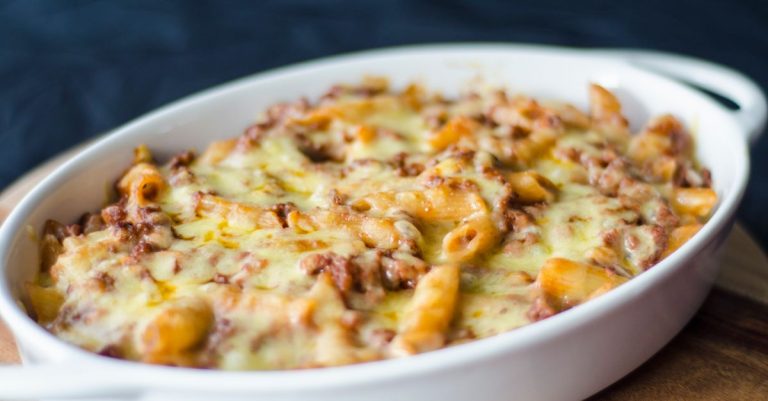
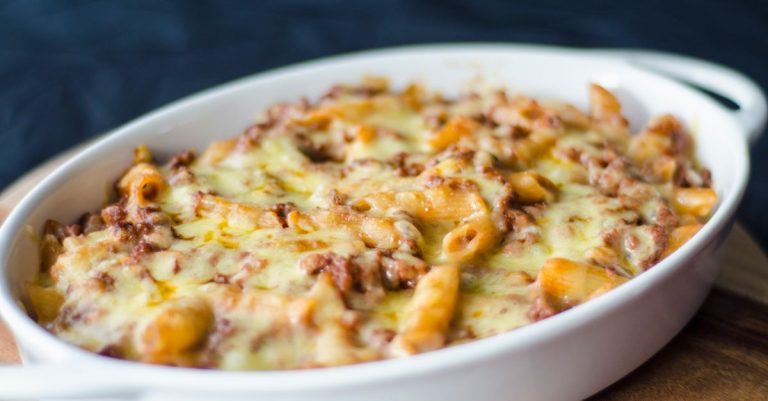
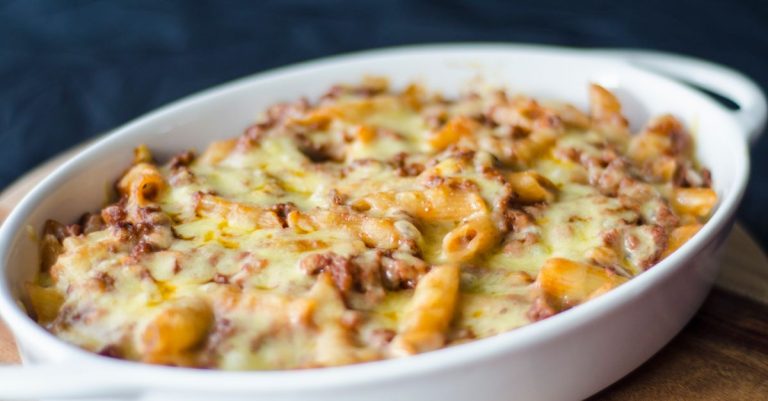
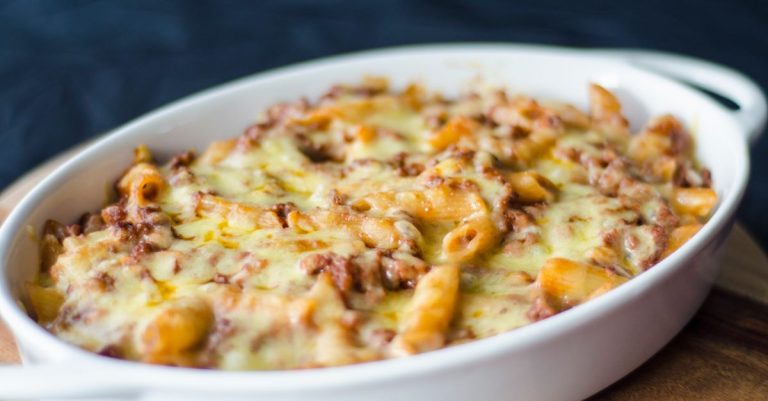
Yes, you can absolutely cook pasta in the oven, and it’s a versatile method used for various delicious dishes, from bubbling baked casseroles to convenient one-pan meals. This approach allows the pasta to absorb flavors directly from the sauce and other ingredients, leading to a rich, cohesive dish.
Two Primary Methods for Oven-Cooking Pasta
When cooking pasta in the oven, home cooks typically use one of two main techniques:
- Pre-boiled Pasta: This is the most common method for classic baked pasta dishes like lasagna, baked ziti, or macaroni and cheese. The pasta is first partially cooked on the stovetop until it’s al dente, meaning it’s still firm to the bite. It then finishes cooking and absorbs sauce in the oven, preventing it from becoming mushy and ensuring an even texture throughout the casserole.
- No-Boil Pasta: In this method, raw, dry pasta cooks directly in the oven alongside its sauce and other liquids. This is a popular technique for “dump-and-bake” or “one-pot” style meals, significantly reducing prep and cleanup. The key to success with no-boil pasta is ensuring there’s enough liquid for the pasta to fully hydrate and cook.
How to Cook Dry Pasta Directly in the Oven (No-Boil Method)
Cooking dry pasta from scratch in the oven is simpler than many imagine, relying on the pasta’s ability to absorb liquid and cook through heat.
The process generally involves combining uncooked pasta with a sufficient amount of liquid, such as water, broth, or pasta sauce, in an oven-safe baking dish. The ratio of liquid to pasta is crucial; typically, you’ll need about 1.5 to 2 cups of liquid for every 8 ounces of dry pasta, depending on the pasta shape and its absorption rate. Ensuring the pasta is mostly submerged prevents dry, uncooked spots.
After combining, the dish is usually covered tightly with aluminum foil to trap steam, which helps cook the pasta evenly and keeps it moist. It’s then baked at a moderate temperature, often around 375°F (190°C), for 20-30 minutes, or until the pasta is tender and has absorbed most of the liquid. Removing the foil for the last few minutes can help thicken the sauce or brown any cheese on top. This method is similar in principle to cooking pasta in sauce on the stovetop, but with the consistent, all-around heat of the oven.
Benefits of Oven-Cooked Pasta
- Enhanced Flavor: When pasta cooks directly in sauce or broth, it absorbs all those flavors deeply into each strand, resulting in a more integrated and delicious taste than stovetop boiled pasta that’s merely coated in sauce.
- Convenience and Less Mess: The no-boil method often means fewer pots and pans, simplifying cleanup. It also offers a hands-off cooking experience once the dish is in the oven, freeing you to attend to other tasks.
- Texture Variety: Oven baking can create unique textures. The submerged pasta becomes tender, while any pasta exposed on top can develop a slightly crispy or chewy bite, especially when cheese is added.
- Ideal for Casseroles: Baked pasta dishes are inherently comforting and perfect for feeding a crowd. The oven provides consistent, gentle heat for the slow melding of flavors.
Considerations for Oven-Baking Pasta
- Pasta Shape: Shorter, sturdy pasta shapes like penne, ziti, rigatoni, rotini, and shells tend to work best for no-boil oven recipes. Longer, delicate shapes might clump or cook unevenly. Lasagna noodles are specifically designed for layering in the oven without pre-boiling if they are “no-boil” varieties.
- Liquid Ratio: Always check recipe specifics for liquid quantities. Too little liquid results in dry, undercooked pasta; too much can lead to a soupy dish. The pasta needs enough moisture to fully hydrate and swell.
- Covering the Dish: For the no-boil method, covering the baking dish is essential for the initial cooking phase. This creates a steamy environment that cooks the pasta thoroughly and prevents it from drying out.
- Don’t Overcook: While the oven offers gentle heat, it’s still possible to overcook pasta. Check for doneness around the recommended cooking time to avoid a mushy texture.
- Alternative Oven Methods: If you’re looking for other hands-off pasta cooking solutions, consider experimenting with cooking pasta in a crock pot or an Instant Pot, which also offer unique benefits for different types of dishes.