We review and select products independently. Purchases through our links may earn us a small commission. Learn more.

Reading Time: 3 minutes
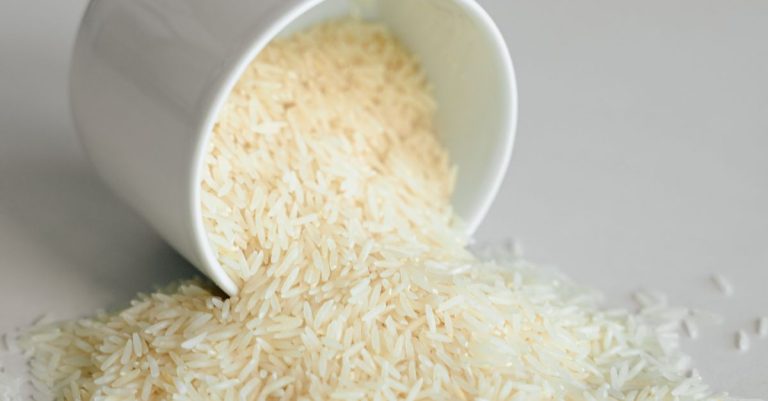
Yes, you can cook raw rice in a microwave. This cooking method uses microwave radiation to rapidly heat water molecules, generating steam that penetrates the rice grains to gelatinize their starches. When placed in a deep, microwave-safe container with a loose lid, raw white rice typically cooks to a fluffy, tender texture in 15 to 20 minutes, offering a reliable, fast alternative to traditional stovetop methods.
How to Cook Raw Rice in the Microwave Step-by-Step
Microwave cooking relies on moisture retention and controlled heat. Because microwaves heat water molecules directly, using the correct vessel and power levels ensures the rice hydrates evenly without drying out or turning mushy.
- Rinse the rice: Place the raw grains in a fine-mesh strainer and rinse under cold water until the water runs clear. This removes excess surface starch, preventing the rice from becoming overly sticky or boiling over.
- Combine rice and water: Transfer the rinsed rice to a large, deep microwave-safe bowl. Use a ratio of 1 cup of raw rice to 2 cups of water. Add a pinch of salt or a teaspoon of butter if desired.
- Initial boil: Microwave the uncovered bowl on high power (100%) for 5 to 7 minutes, or until the water begins to boil and steam pockets form on the surface of the rice.
- Steam and cook: Cover the bowl loosely with a microwave-safe plate or lid to trap steam while allowing excess pressure to escape. Lower the microwave power to medium (50%) and cook for an additional 10 to 12 minutes.
- Rest: Leave the bowl inside the microwave undisturbed for 5 minutes. This resting phase allows the remaining thermal energy to distribute evenly, finishing the starch gelatinization process. Fluff with a fork before serving.
What is the Correct Water-to-Rice Ratio for the Microwave?
For most standard long-grain, medium-grain, and short-grain white varieties (including Jasmine and Basmati), the ideal ratio is 1 part rice to 2 parts water. This ratio accounts for the moderate rate of evaporation that occurs in a microwave setting. If you prefer a softer texture, you can increase the water slightly to 2.25 cups per cup of rice.
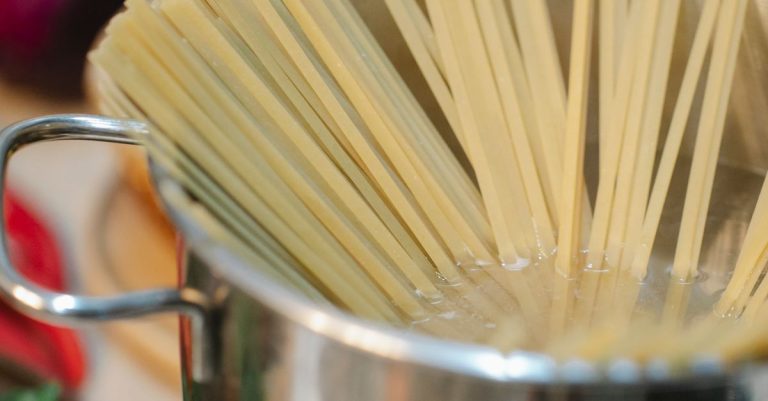
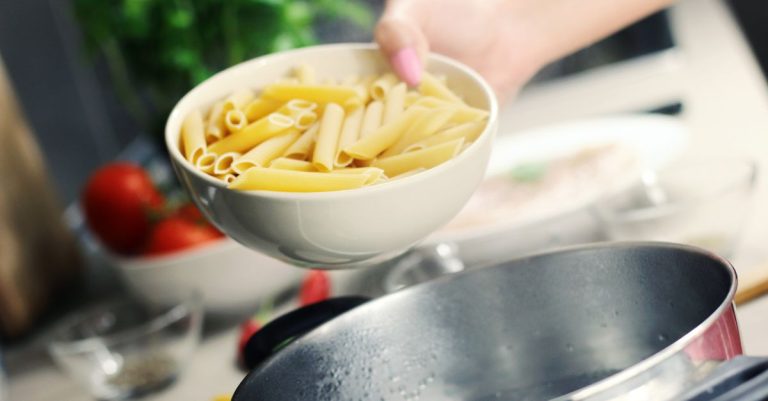
For brown rice, the outer bran layer requires significantly more hydration and thermal exposure to soften. Use a ratio of 1 part brown rice to 2.5 parts water, and increase the simmering stage at 50% power to 25 to 30 minutes. Much like learning how you can cook pasta in a microwave, managing water ratios and steam retention is key to achieving an al dente or tender chew.
Why Does Microwave Rice Boil Over and How Do You Prevent It?
Boiling over occurs when dissolved starches from the rice coat the surface of the boiling water, trapping steam bubbles and creating a thick, expanding foam. This is highly comparable to why some home cooks ask are rice cookers supposed to bubble during their cooking cycles.
To prevent this messy starch buildup in your microwave, use these practical techniques:
- Use an oversized bowl: Choose a container that is at least three to four times the volume of your raw ingredients. This provides ample headspace for the starchy foam to rise and collapse without spilling over the rim.
- Thoroughly rinse the grains: Friction during shipping rubs starch off the grains, creating a fine powder. Washing this powder away significantly reduces foaming.
- Add a fat source: Stirring a small pat of butter or a teaspoon of oil into the water breaks the surface tension of the starch bubbles, causing them to pop before they can overflow.
Microwave vs. Stovetop vs. Rice Cooker: A Quick Comparison
Each cooking vessel manipulates heat differently, affecting the speed, texture, and convenience of the final dish.
| Cooking Method | Average Cook Time | Water-to-Rice Ratio | Best For |
|---|---|---|---|
| Microwave | 15–20 minutes | 1:2 | Quick single servings, small kitchens, dorm rooms |
| Stovetop Pot | 18–22 minutes | 1:1.75 to 1:2 | Infusing aromatics, medium to large batches |
| Dedicated Rice Cooker | 25–45 minutes | 1:1 to 1:1.5 | Hands-off precision, keeping rice warm, daily use |
While a dedicated appliance remains the gold standard for high-volume precision, the microwave offers unmatched convenience for small portions. If you cook grains daily but lack counter space, exploring the best rice cooker under $100 can elevate your kitchen setup while keeping costs low.